
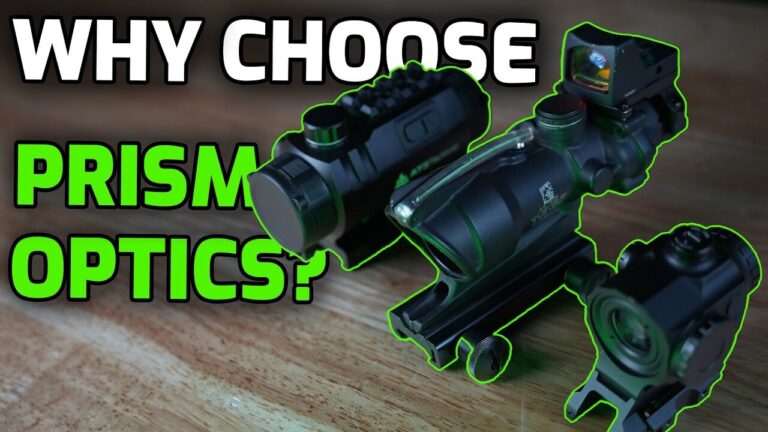
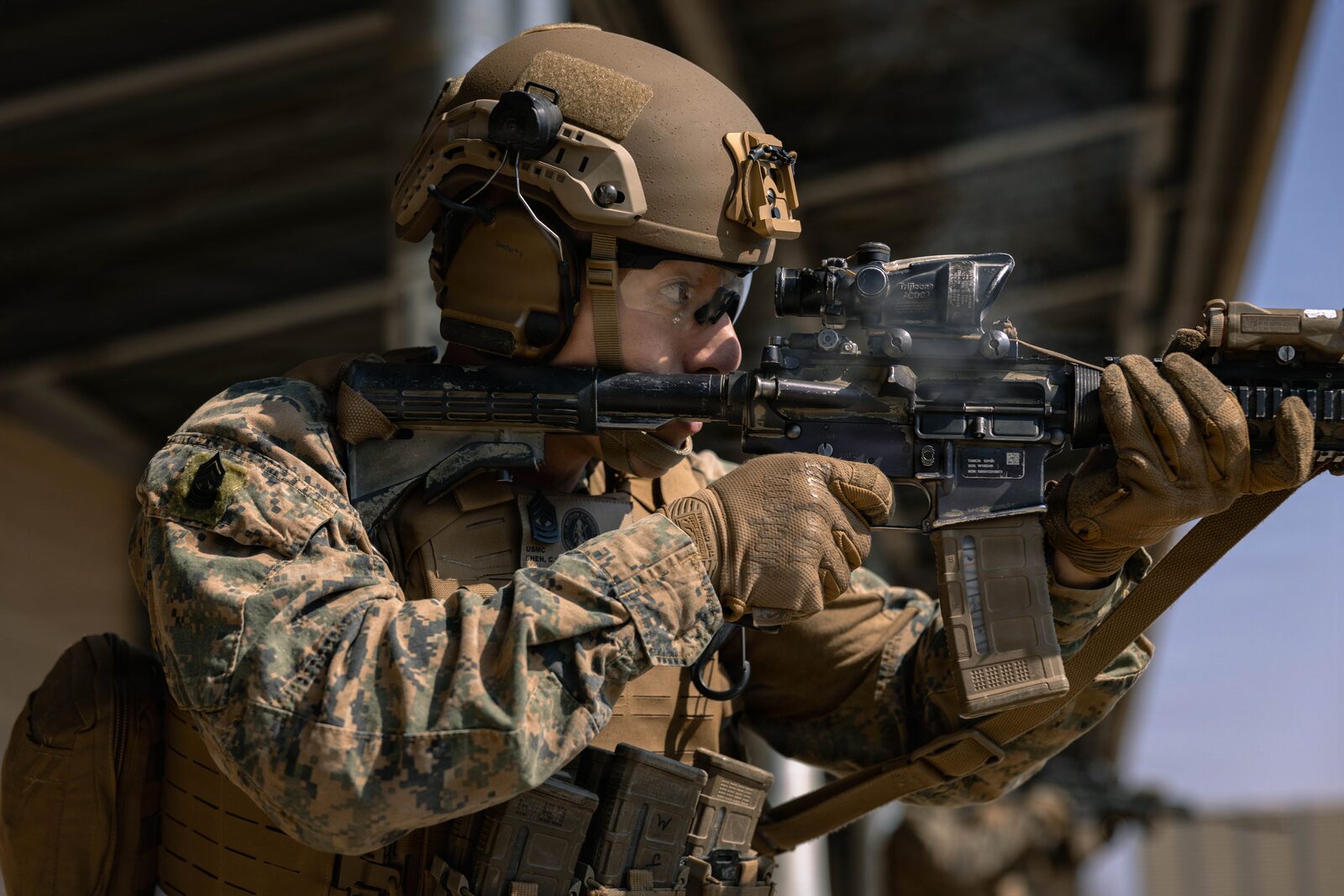
In 2004, the United States Marine Corps adopted the Trijicon TA31RCO as its official Rifle Combat Optic. They then began issuing 4x prism sights across the Ground Combat Element during the peak of Operation Iraqi Freedom. Large follow-on orders came next, and by the mid-2000s the ACOG was standard on all Marine rifles and carbines.
When an organization that treats every Marine as a rifleman standardizes on one optic style for more than a decade, it is worth asking why.
Most builders default to a red dot for speed or an LPVO for versatility. Prism optics sit between those two and outperform both in specific ways: a crisp etched reticle that stays readable for many shooters with astigmatism, no moving magnification parts, and, on many models, an aiming point that works with or without batteries. Add the Bindon Aiming Concept and a built-in BDC reticle, and you get a compact combat sight that has been proven in the worst conditions imaginable.
Here’s what we’re going to cover.
- What a Prism Optic Is
- How Prism Optics Work
- Magnification Options
- The Bindon Aiming Concept
- Who Makes The Best Prism Optics
- How BDC Reticles Work
- Is a Prism Optic Right For You?
By the time we’re done here, you’re going to know everything you possibly need to know about prism optics. If you’re a visual learner, here’s a video that Josh from our YouTube channel put together on the subject.
What Is a Prism Optic?
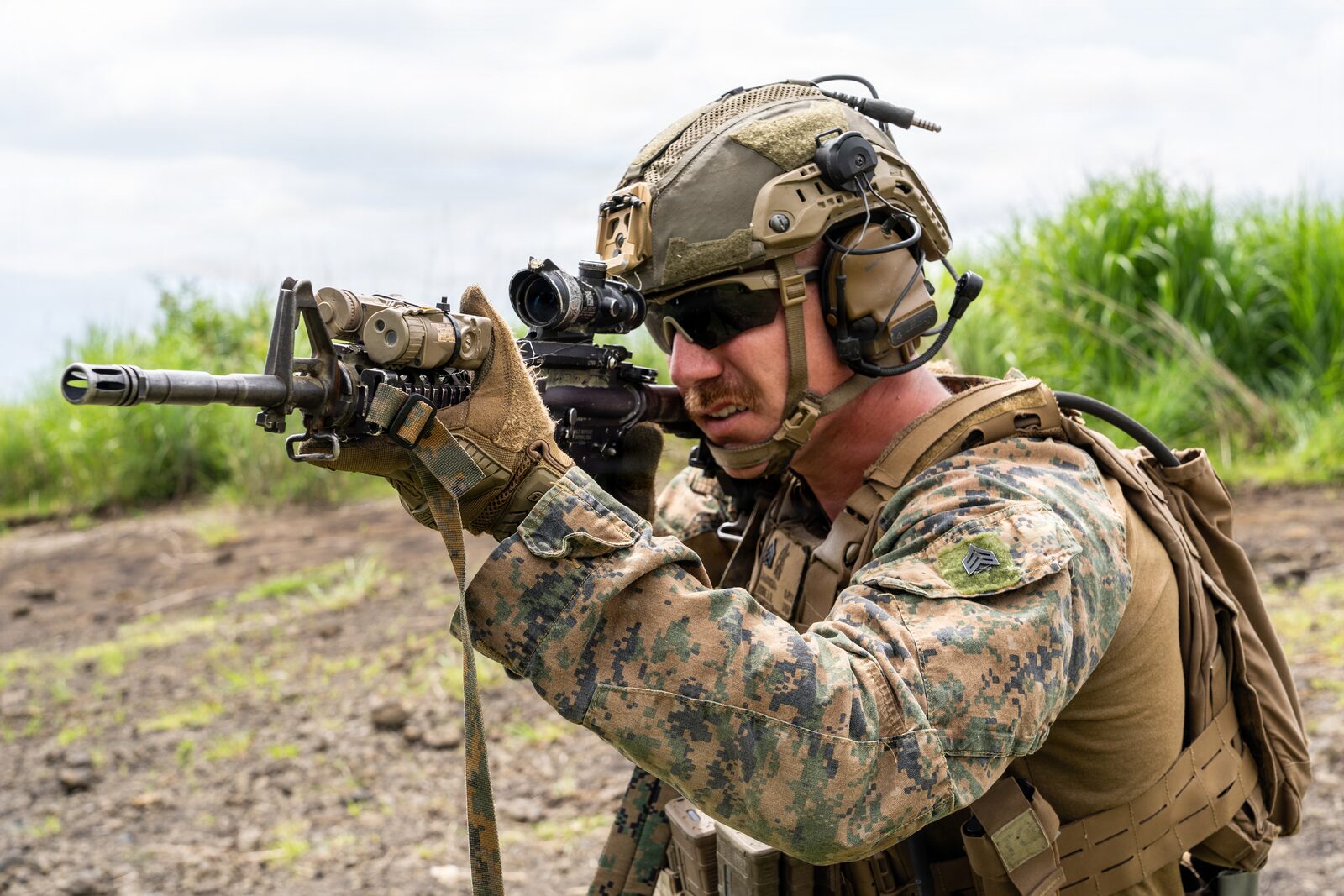
A prism optic is a compact riflesight that uses a glass prism to fold and magnify the image instead of a long stack of lenses. The reticle is etched into glass, so it is always there, whether the battery is alive or dead. Heck, some of the best prism optics out there don’t even use a battery, they function off of tritium to illuminate the reticle inside of the glass.
That etched reticle is the reason guys with astigmatism prefer prisms over red dots. A projected red dot can smear, comet, or starburst through an imperfect cornea. An etched reticle is focused by the optic itself, and some prisms even include a diopter so you can snap the reticle sharp to your eye.
Prisms are also simple from a mechanical standpoint. There is no zoom ring and no erector tube sliding around inside the housing. Fewer moving parts is one reason ACOGs have a reputation for surviving abuse that would kill a lot of other optics, there’s simply nothing inside of them that can break outside of the glass and the prism inside of the tube.
A Brief History of Prism Optics
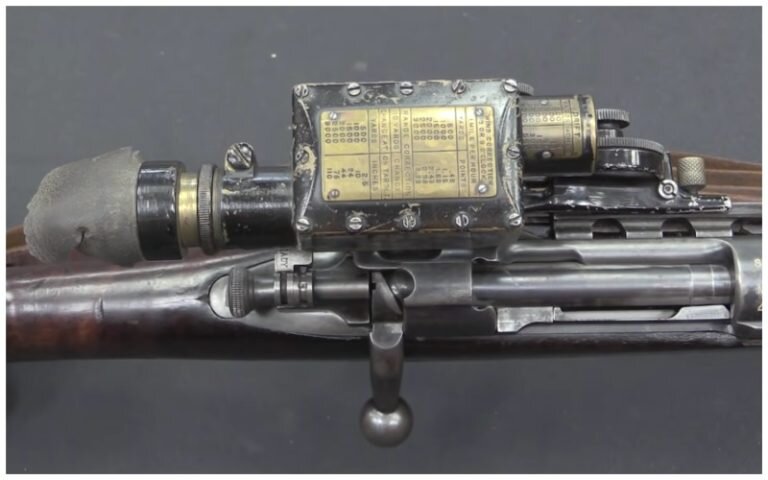
Prism sights are not new. In World War I, the Warner & Swasey M1913 used a Porro prism which is essentially half a pair of binoculars bolted to a rifle. It was compact for its era and clumsy by every modern standard. The idea was right. The packaging however was not.
The modern category started in 1987 with Trijicon’s first ACOG, the TA01. Roof prisms replaced those bulky Porro designs and let Trijicon put 4x magnification in a short, forged housing that could live on a carbine. USSOCOM adopted the 4×32 ACOG for the M4 in the mid-1990s. That is the proof-of-concept chapter.
By 2004, infantry work in Iraq and Afghanistan was asking riflemen to do two jobs at once. Decide what they were looking at, then hit it. Carry-handle irons could still print on a known-distance line, but they were weaker at telling a rifleman whether the figure at a few hundred meters was armed.
In 2004 and 2005 the Marine Corps selected the TA31RCO as its official Rifle Combat Optic and put in an initial order for 104,000 units so riflemen across the ground combat element could run the same 4x combat sight. Trijicon’s ACOG history covers that purchase and the years leading up to it. Tritium lit the etched reticle with no battery in the system. The chevron BDC matched the way Marines already shot: 200, 300, 500 on the known-distance range. Bindon’s both-eyes-open method was how you kept that 4x from turning into a tunnel when the target was moving, but more on that later.
Today the same idea shows up in much smaller packages. 1x micro prisms that compete with red dots, plus 3x and 5x models from Primary Arms, Vortex, and a host of other great companies.
How Prism Optics Work

A conventional tube scope needs a long optical path to erect and magnify the image. A prism folds that path into a zigzag inside a short housing. Think of it as taking a foot-long scope and folding it into a few inches.
Because the reticle is etched on glass, illumination is optional. Many ACOGs use fiber optic plus tritium and never need a battery at all. Most budget and mid-tier prisms use an LED to light the etched reticle and still remain usable if the battery dies.
The tradeoff is size versus power. As magnification goes up, the prism has to get larger. That’s why 1x and 3x prisms are so compact, 4x ACOGs are still reasonably short, and 5x models start getting chunky. A true 10x prism would be enormous compared with a conventional 10x riflescope because the prism inside would need to grow exponentially.
Fixed 4x remains a sweet spot for most of us. It’s enough magnification to identify and hit at mid-range without turning the optic into a boat anchor on your upper-receiver. That’s a big part of why the ACOG form factor has lasted almost 40 years without falling out of relevancy.
Prism Optic Magnification Options
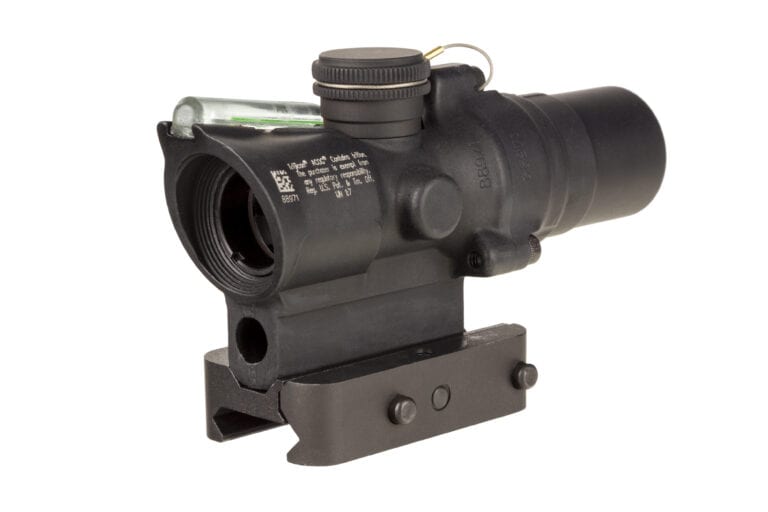
1x prisms (Primary Arms SLx 1x MicroPrism, Gideon Optics Advocate, and similar) are roughly red-dot sized. They are fast at close range, work both-eyes-open, and still give you an etched reticle.
3x and 5x prisms (Vortex Spitfire, AT3 3xP, Trijicon ACOG) add usable mid-range identification without an LPVO’s weight or zoom ring.
Size grows quickly with power. A 5x prism is substantially larger than a 1x. Past that, conventional scopes usually make more sense.
What Is the Bindon Aiming Concept?
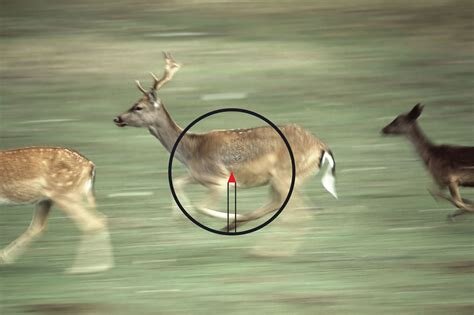
The Bindon Aiming Concept (BAC) is named for Glyn Bindon, founder of Trijicon. It is a both-eyes-open technique that uses an illuminated reticle and the way your brain handles two different images.
With both eyes open on a magnified prism, your sighting eye sees a magnified picture and a bright reticle. Your other eye sees the unmagnified world. When you hold still, the brain prefers the clear magnified image. When you pan the rifle, the magnified picture blurs. The brain then favors the clear view from the unaided eye, but it keeps the bright reticle and superimposes it on that wider scene. The reticle behaves like a floating aiming point while you track a moving target.
That is why Marines and soldiers who trained on ACOGs liked them in dynamic shooting, once they got past the tighter eye relief that comes with many prism designs the system became incredibly intuitive for shooting at both close and far targets.
Does BAC Work on Other Optics?
You can approximate the same idea with occlusion or both-eyes-open work on a red dot or a true 1x LPVO. Those sights already present a 1x image, so the brain does not have to reconcile magnification. Magnified prisms are where BAC is most distinctive, because the illuminated reticle stays sharp even at 3x or 4x while the background in the tube blurs during movement.
It still takes practice. Eye relief on a classic ACOG is short. Head position has to be consistent. Train it dry and live before you count on it in combat, but you’ll often see competitive shooters practicing with their handgun red dot covered by tape. This is essentially the same concept.
Best Prism Optic Brands
Trijicon: Still the Benchmark
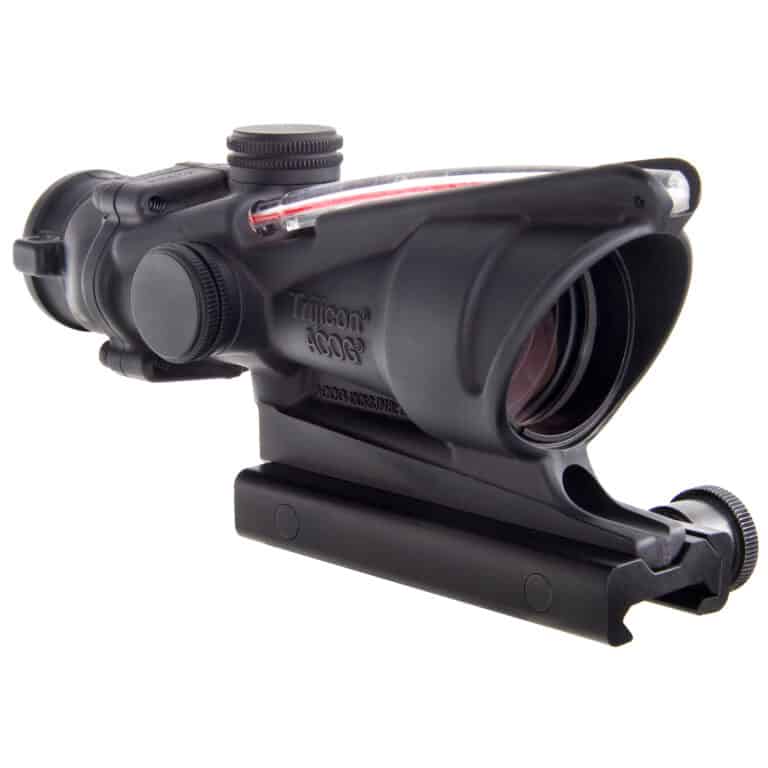
The ACOG is the reference point because it was built as a combat sight, not a catalog item that later got a tough-guy paint job. Most of their optics feature a forged housing, etched reticle, fiber-optic and tritium illumination that does not depend on a battery, and a track record that includes optics still running after serious damage in an active war zone. The 4×32 TA31-pattern sights are the ones most people mean when they say ACOG. The 1.5×16 is the close-in version of the same idea: same battery-free illumination, less magnification, faster picture.
You are paying ACOG money for that glass and that history. If the job is “this sight has to work after the electronics story is zero,” this is still the standard that everyone else compares themselves to.
AT3 3xP: Fixed 3x Without ACOG Money
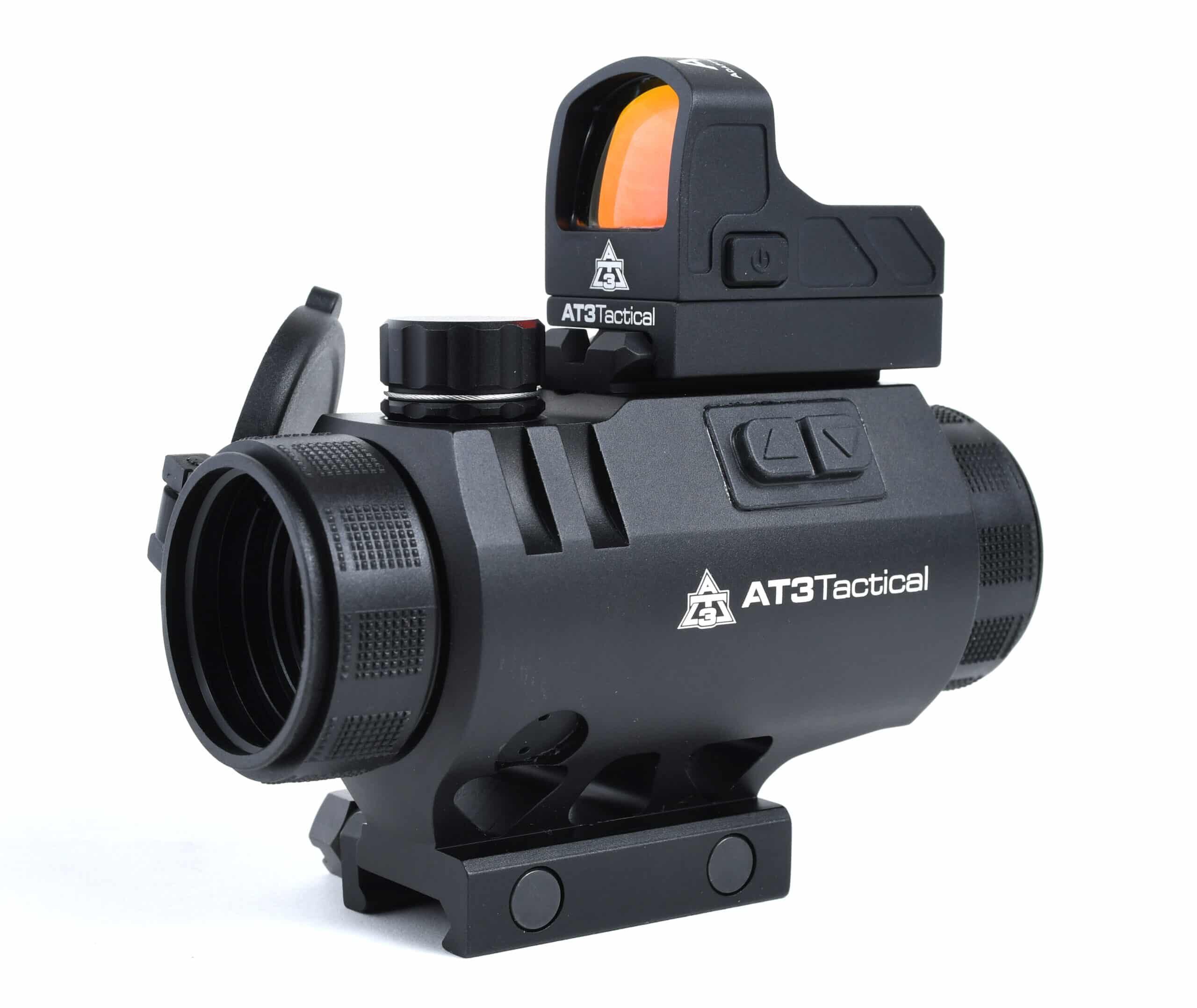
The 3xP is the in-house answer for shooters who want the prism basics. It has an etched reticle, fixed 3x, a BDC for common 55 and 62 grain 5.56, all without stepping into duty-optic pricing. Illumination is an LED, so the battery matters, but the etch is still there if the CR2032 dies on you in the field. Eye relief is about 2.75 inches, which is a different animal than a classic TA31. There is a top rail on the housing so you can run a piggyback red dot as well. The 3xP and ARO combo is that setup in one box.
It is not a substitute for an ACOG, but it is a 3x prism for an AR that you will actually confirm on steel and leave mounted without needing to spend half of your monthly paycheck on it.
Holosun MP3X and Burris AR-332
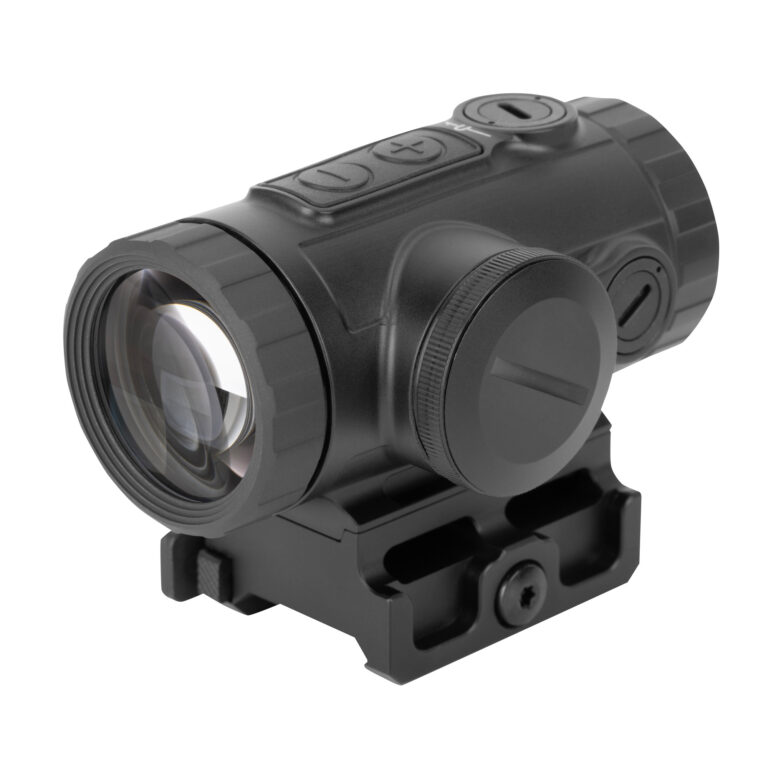
Two other 3x prisms sit in the same neighborhood. The Holosun MP3X is the compact one: 3×28, BDC, red or green illumination, QD mount. It is the “micro 3x” shape if you want less bulk than a full-size prism and you already like Holosun’s illumination style.
The Burris AR-332 is the older 3×32 Ballistic CQ option. Red, green, or a black etch with the power off, and a bigger objective than the 3xP.
Neither one replaces a TA31 in my opinion, but both are legitimate 3x sights if that is the magnification you want and you are not buying a story. There is a prism at almost every price. Match the magnification and the reticle to the rifle and the distance you actually shoot. Do not match it to a logo.
What Is a BDC (Bullet Drop Compensator) Reticle?
Most prism optics use some form of BDC reticle rather than a simple mil or MOA grid you dial. The reticle is etched and usually illuminated. Hash marks or stadia below the primary aiming point correspond to known distances for a specific cartridge family (commonly 5.56 / .223).
You don’t dial turrets with a prism optic. You hold the correct mark on target and make adjustments based on your impacts if the reticle isn’t working as intended because you’ve missed the range. That only stays honest if your load is close to what the reticle was designed for though, and you have to nail your ranging.
Trijicon Chevron (USMC RCO style)
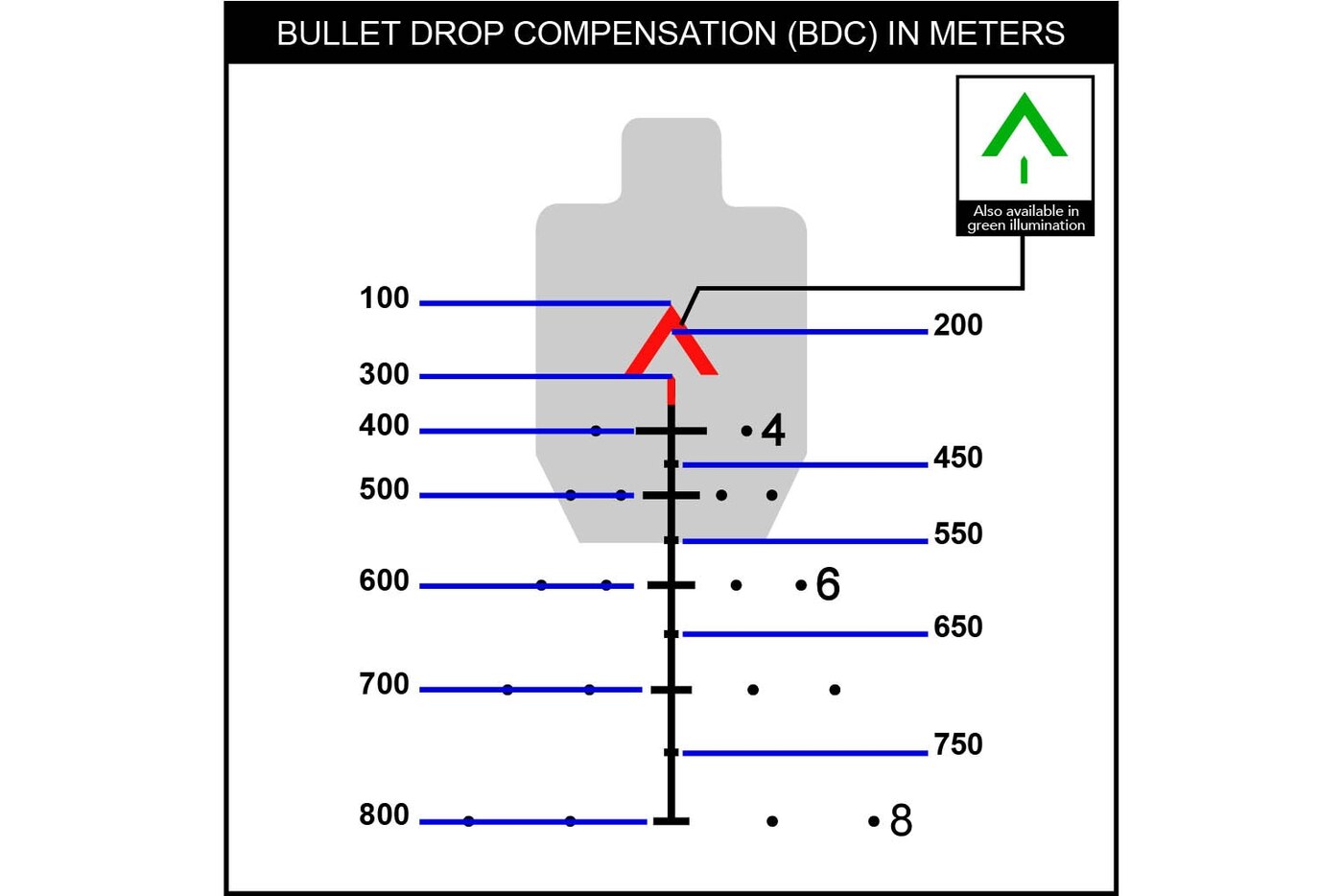
The most common ACOG combat reticle is the chevron with a BDC stadia below it.
- Tip of the chevron: 100 meters
- Bottom of the chevron: 200 meters
- Tip of the first stadia: 300 meters
- Each intersecting line below that: the next hundred-meter hold (400, 500, 600, etc.)
When a man-sized target’s shoulders span the chevron, that target is roughly at the 100-meter ranging distance the reticle was built around. Always confirm with the manual for your exact model. Different ACOGs are calibrated in meters vs. yards and for different barrels/loads.
Primary Arms ACSS
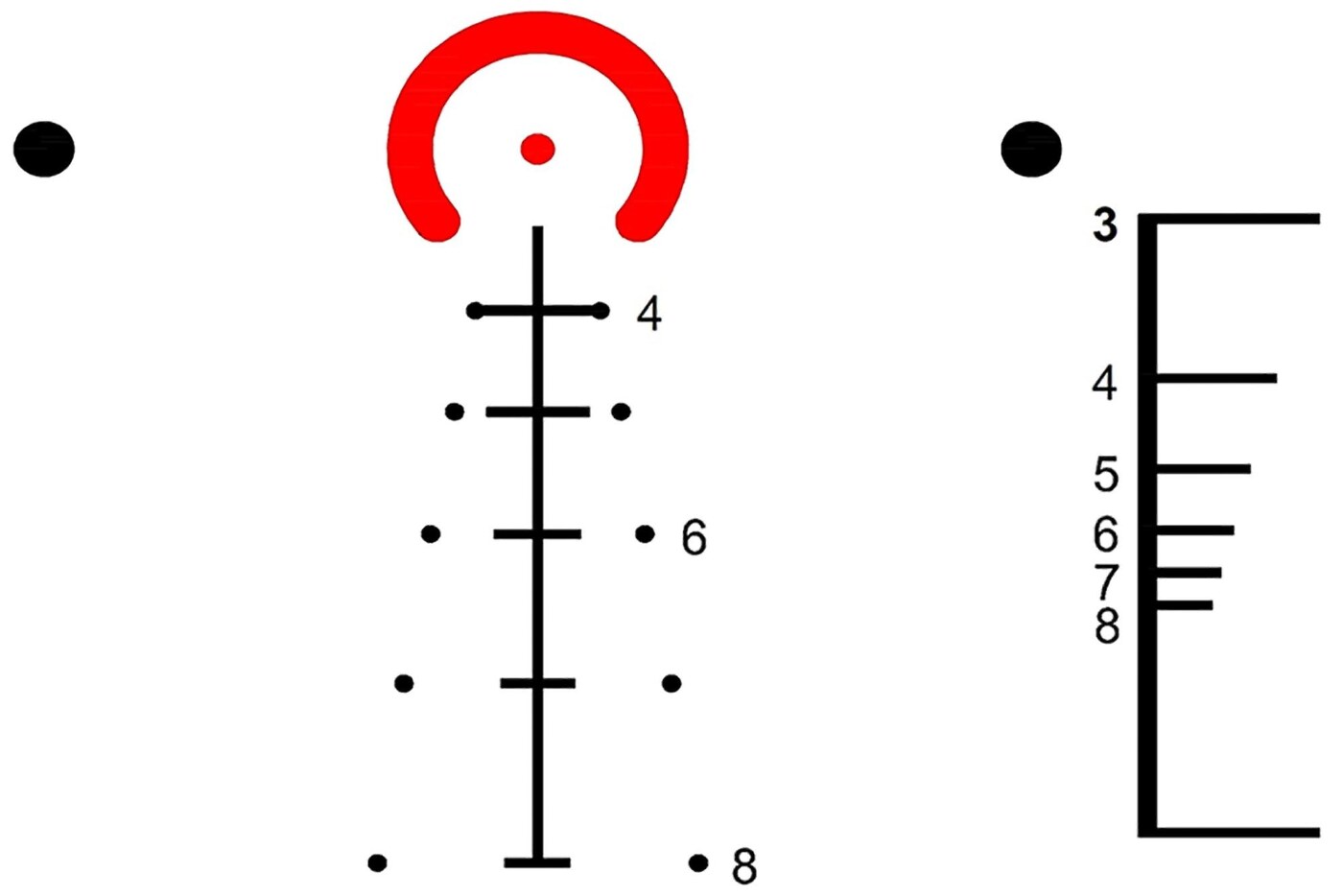
ACSS is the other reticle you will see constantly on modern prisms.
- The large horseshoe or “donut” is the close-range, fast-acquisition aiming area (typically 100 yards and in).
- The chevron or center aiming point inside it is the precise 100-yard zero.
- Stadia below the center mark are holdovers at labeled distances.
- Dots off the stadia are wind holds (commonly referenced to about 5 mph).
- Larger dots near the donut are moving-target leads based on an average human running pace.
ACSS also includes a ranging feature: if a man-sized target’s shoulders fit the donut or chevron, you have a rough 100-yard (or 100-meter, depending on the specific reticle) range estimate.
Whatever reticle you buy, read the manual for that reticle and shoot it at known distances. BDC marks are a starting point, not a guarantee.
Is a Prism Optic Right for You?
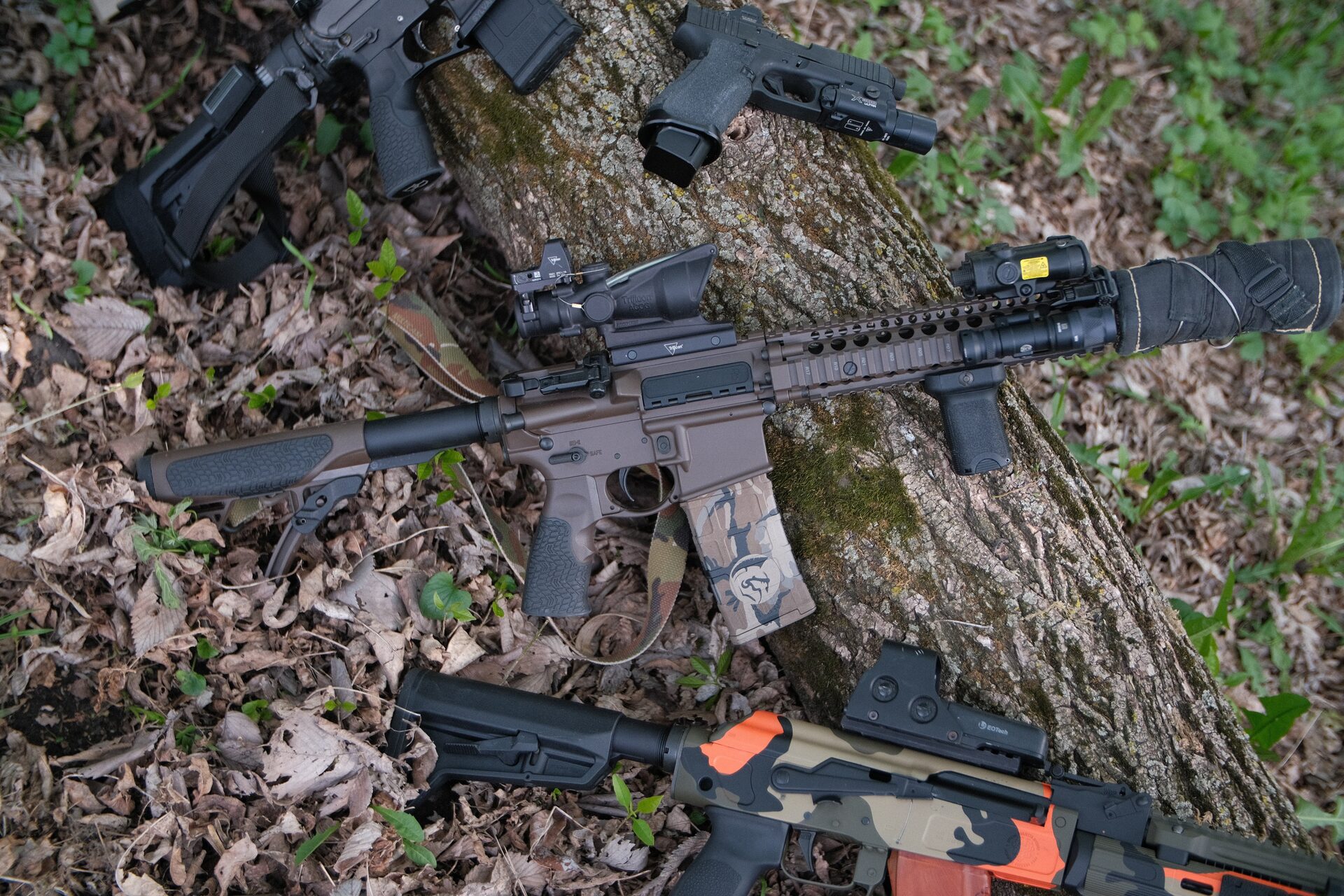
A prism is a strong choice if you want:
- Fixed magnification (usually 1x, 3x, or 4x) with no zoom ring to manage
- An etched reticle that stays visible if the battery dies
- Better reticle clarity than a red dot if you have astigmatism
- A compact, durable mid-range sight without LPVO weight
Red dots and holographics are still faster for most people at true close range, and they have a more forgiving eye box. They also need batteries, and a dirty or uncorrected astigmatism can turn the dot into a blob.
LPVOs give you 1x through 6x or 8x on one optic. That versatility costs size, weight, and moving parts. A lot of shooters pay for variable power and then leave the ring on 1x or 6x forever. If that is you, a good fixed prism may do the same job with less complexity.
An optic is not a cheap impulse buy. Build a simple matrix in your head: distance you actually shoot, whether you need variable zoom, how bad your astigmatism is with a red dot, how much weight you will tolerate, and whether you want a battery-free aiming point. If the answers cluster around simplicity, toughness, and close-to-mid-range work, a prism is hard to beat. If you need true 1x-to-long-range flexibility or maximum speed for home-defense CQB, look at a red dot or an LPVO instead.
One Last Tip
If there’s anyone that knows the AR-15 platform, it’s the US military. As a special offer for our readers, you can get the Official US Army Manual for AR-15/M4/M16 right now – for free. Click here to snag a copy.